





Copyright © 2026 NOVABEYOND LIMITED (company number 2833487). All rights reserved.
Address: UNIT 616 6/F KAM TEEM INDUSTRIAL BUILDING 135 CONNAUGHT ROAD WEST SAI WAN HONGKONG.
Fintech user acquisition is not failing because teams lack tools or budget. It fails when growth is designed without acknowledging how regulation reshapes traffic, intent, and scale.
From a programmatic advertising solution provider’s perspective, fintech growth is not a question of how to buy media, but how to define what “good traffic” actually means in a regulated environment.
This article outlines our core viewpoints on how fintech apps should approach programmatic acquisition under strict regulatory constraints, and what consistently breaks when these principles are ignored.
1. In Fintech, Regulation Defines the Traffic Ceiling
Every fintech product operates under an implicit ceiling of acceptable users.
This ceiling is shaped by:
• Compliance requirements (KYC, AML, disclosures)
• Platform risk tolerance
• Internal fraud and support capacity
Programmatic scale that ignores this ceiling does not create growth, it creates instability. Media buying should expand within the compliance envelope, not attempt to stretch it.
2. Not All Volume Is Equal
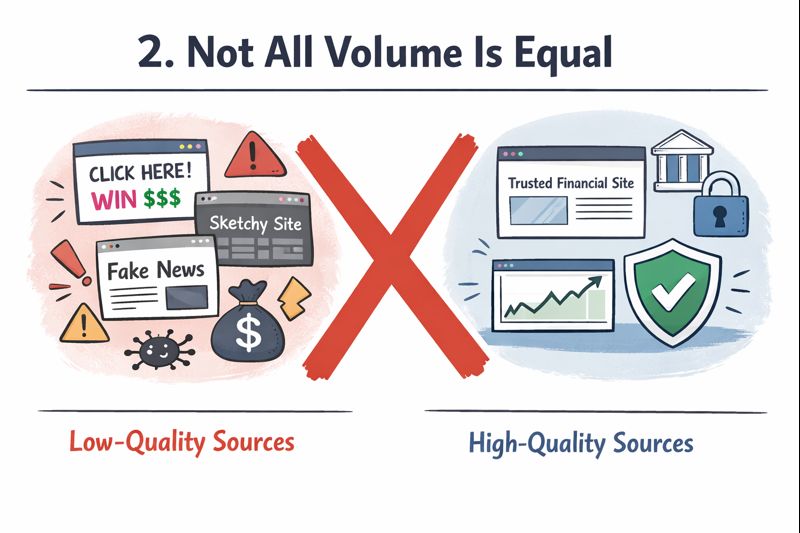
One of the most common misconceptions in fintech acquisition is treating programmatic inventory as interchangeable.
In practice, traffic quality varies dramatically by supply source and path, contextual environment, exposure patterns and user state at time of impression
Fintech programmatic buying should prioritize controlled environments over open-scale reach. Removing low-trust inventory is not optimization, it is a prerequisite.
3. Creative Is the First Compliance Filter, Not Just a Performance Lever
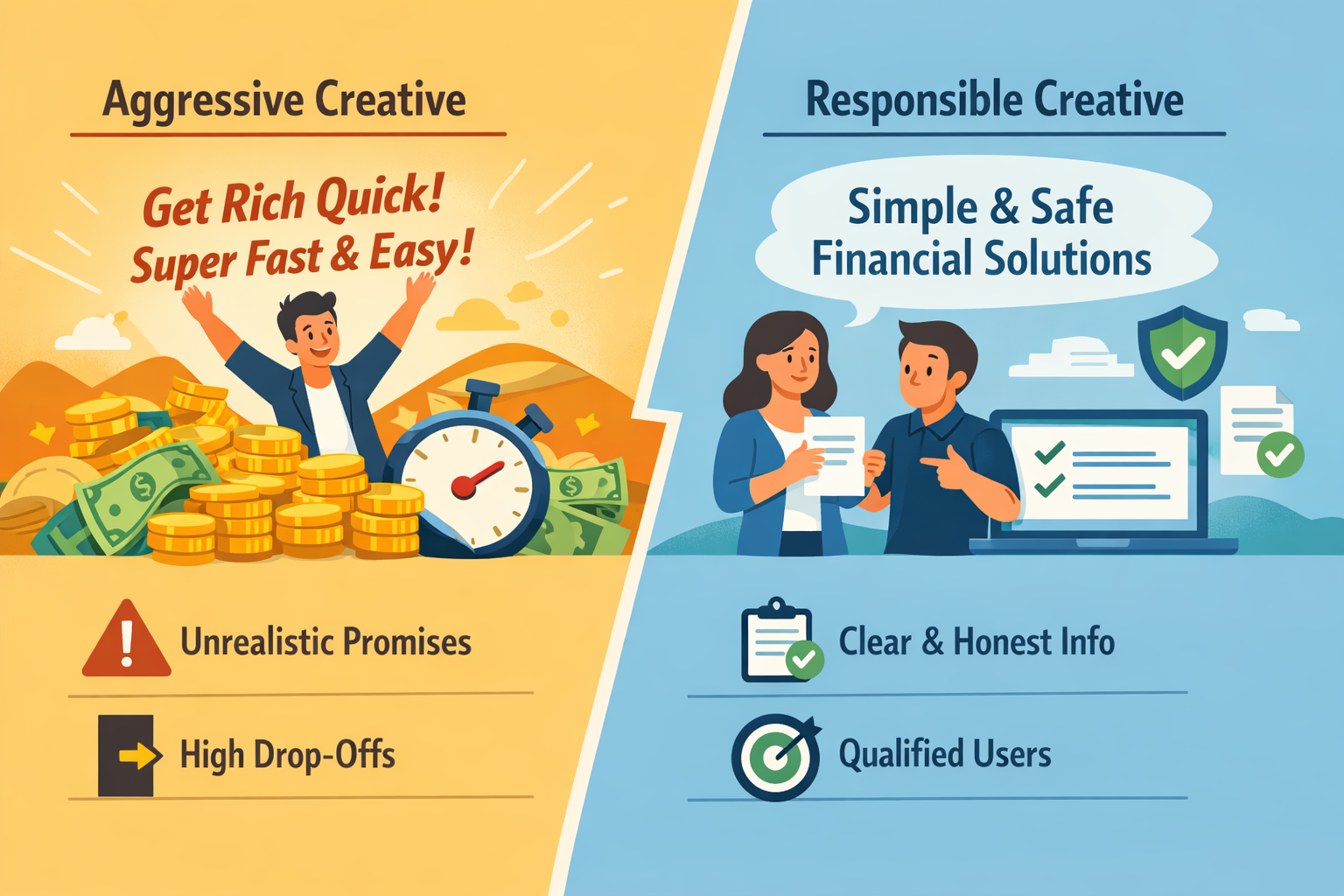
In regulated categories, creative decisions directly shape downstream risk.
Creative that over-emphasizes speed, ease, or upside tends to:
• Attract users with unrealistic expectations
• Increase onboarding abandonment
• Trigger complaint and refund patterns
The best-performing fintech creatives are often the least aggressive ones. Their role is to clarify process and eligibility, not to persuade everyone. If a user opts out because the product appears “too complex,” that is often the system working as intended.
4. CPI Is a Weak Signal in Regulated Growth
Cost efficiency at the install level rarely correlates with business health in fintech.
Low CPI campaigns often coincide with:
• Higher KYC failure rates
• Shorter user lifespans
• Platform algorithm distrust
• Increased compliance scrutiny
Programmatic optimization should be anchored to activation integrity, not install volume. The most valuable signals sit after the click, and those signals should influence bidding and supply decisions.
5. Programmatic Works Best When It Shapes Intent, Not When It Chases It
Unlike search, programmatic reaches users before intent fully forms. This makes it powerful but dangerous under regulation.
Poorly framed exposure creates:
• Misaligned expectations
• Reactive clicks
• Low-quality installs
Programmatic should be used to frame the product contextually, not to intercept users indiscriminately.Context alignment is more important than behavioral targeting in fintech environments.
6. Stability Beats Speed in Account-Level Performance
In our experience, the fastest way to damage a fintech advertising account is:
• Sudden budget spikes
• Aggressive frequency
• Rapid creative rotation without quality controls
These behaviors disrupt learning and elevate review risk.
Programmatic scaling in fintech should be progressive and predictable. Account stability is not a constraint, it is a growth multiplier.
7. Clean Traffic Compounds
Programmatic systems learn from the traffic they are fed.
Clean traffic:
• Improves model confidence
• Expands accessible inventory
• Lowers long-term acquisition volatility
Dirty traffic:
• Distorts optimization signals
• Triggers defensive platform behavior
• Forces repeated resets
Fintech growth is cumulative. Traffic quality today determines scale potential tomorrow.
Programmatic Is a Qualification System, Not a Growth Hack
From a programmatic solutions provider’s standpoint, fintech acquisition under regulation succeeds when media is treated as a qualification layer, not a blunt growth accelerator.
The most resilient fintech growth systems:
• Respect regulatory ceilings
• Filter users before onboarding
• Use creative to align expectations
• Optimize toward post-install integrity
• Scale through stability, not pressure
In regulated environments, growth does not come from finding loopholes. It comes from designing systems that only attract users you are allowed and prepared to serve.
more posts
AI’s Impact on Gaming, Short Drama, and Live Commerce Advertising: Why Traffic Reallocation Is Reshaping App Growth
June. 15 2026
LEARN MORE

Middle East / Southeast Asia / LATAM: Regional Growth Differences & Strategy Guide for Mobile Apps
June. 08 2026
LEARN MORE
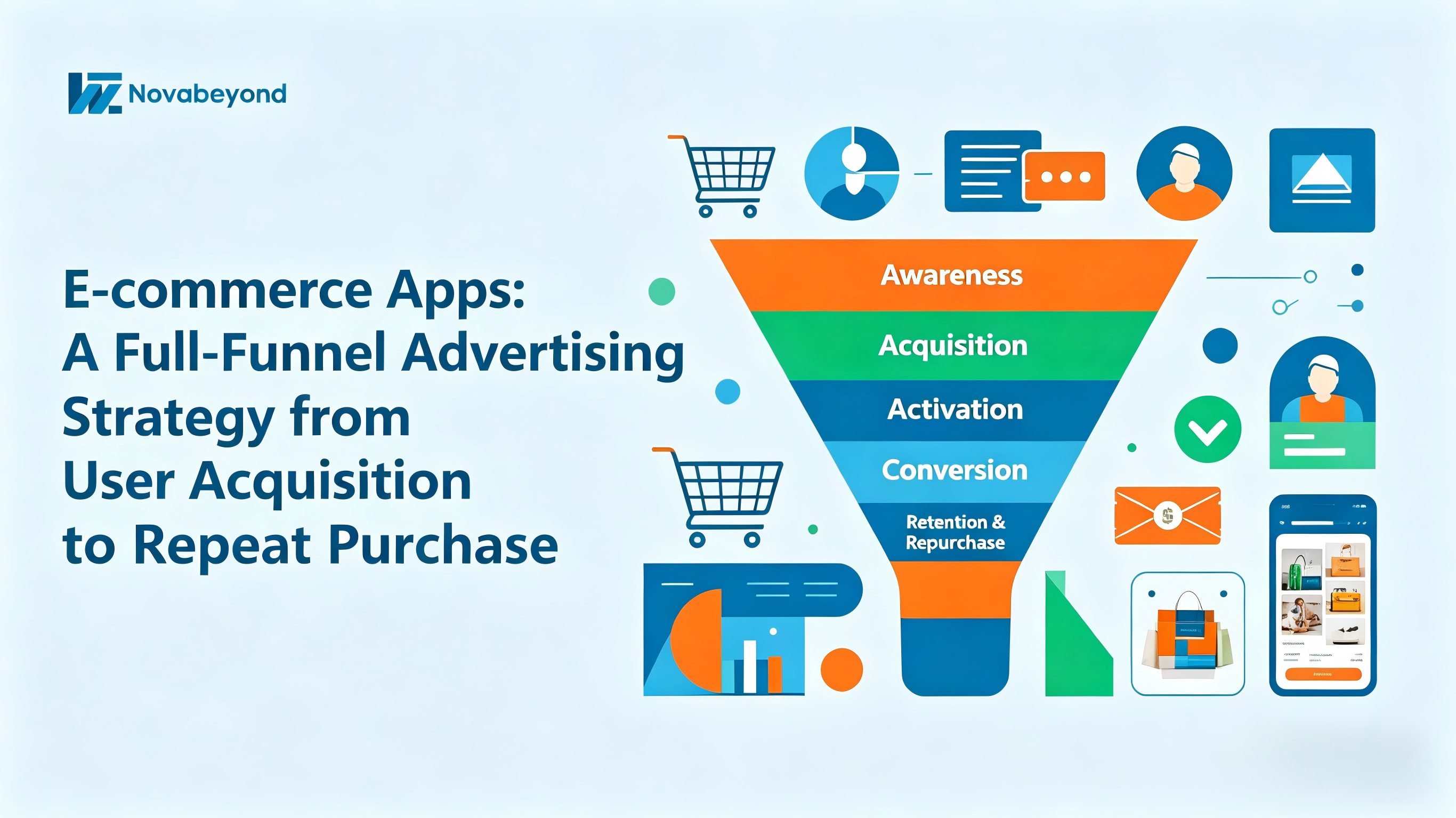
E-commerce Apps: A Full-Funnel Advertising Strategy from User Acquisition to Repurchase
June. 03 2026
LEARN MORE
From Generic Creative to Smart Matching: How DPB & DCO Drive Better ROAS
June. 02 2026
LEARN MORE